At the Tavern of the Last Drop
Enter, stranger. Take a seat by the fire, fill your tankard, and listen to the songs of times long forgotten. From joyful drinking songs and ancient student chants to legends.
·
10 songs
4:09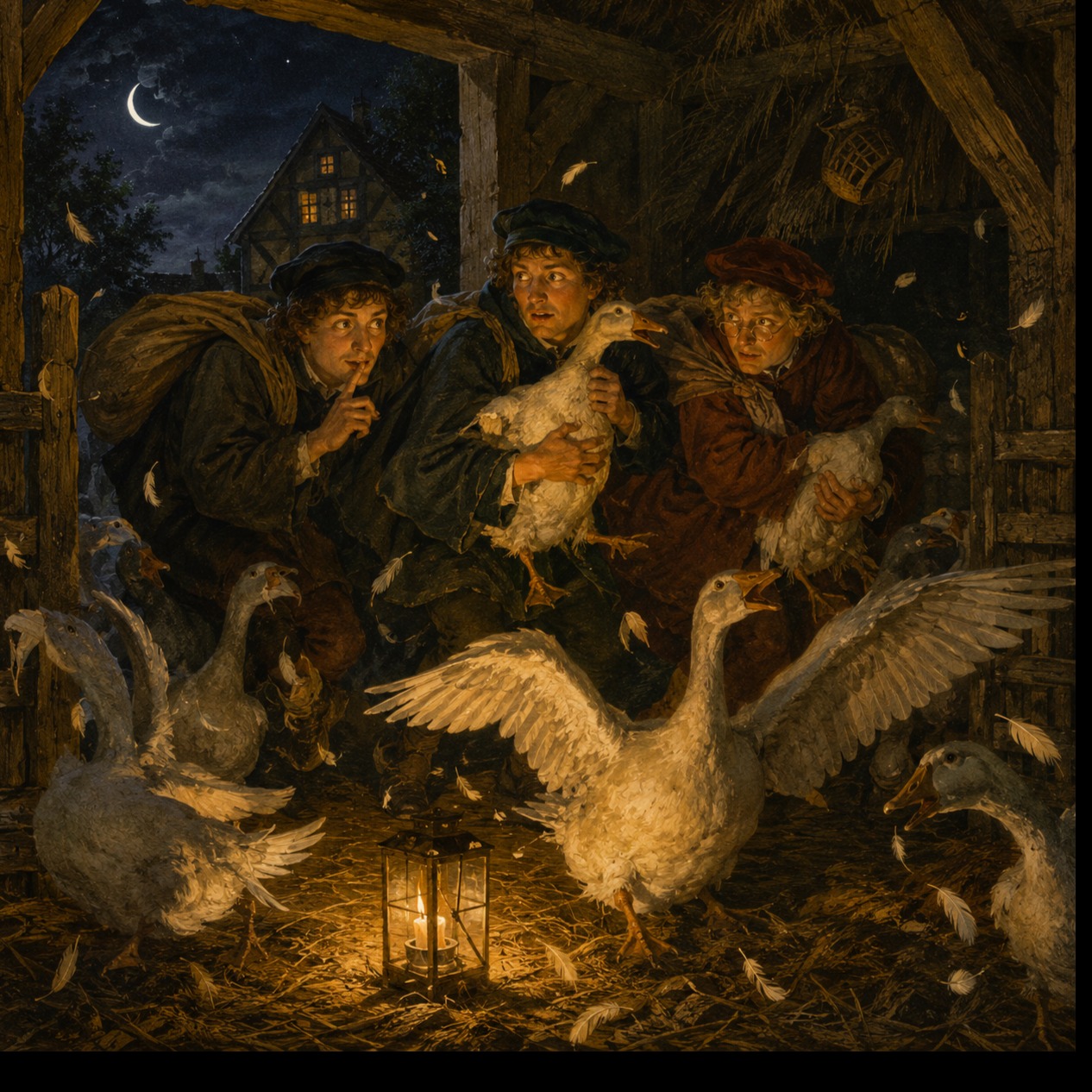
The Goose Theft
v5.5
Medieval Folk / Tavern Style arrangement for a narrative storytelling song with an old European tavern ballad feel, Use acoustic instruments such as lute or guitar for rhythmic strumming, fiddle for melodic accents, flute for light ornamentation, and bodhrán or frame drum for steady medieval percussion, Tempo moderate (90–110 BPM), slightly swinging and rustic, like a 15th–16th century tavern performance, Verses are sparse and narrative-driven with minimal instrumentation to highlight the story, Pre-choruses gradually build tension with added percussion and melodic layers, Choruses become fuller with simple group-style harmonies or chant-like vocals for a communal pub-song effect, Overall mood is playful, slightly comedic, and historical, supporting a humorous legal misunderstanding story, Warm, acoustic, organic sound with natural room ambience, as if performed live in a wooden hall
3:59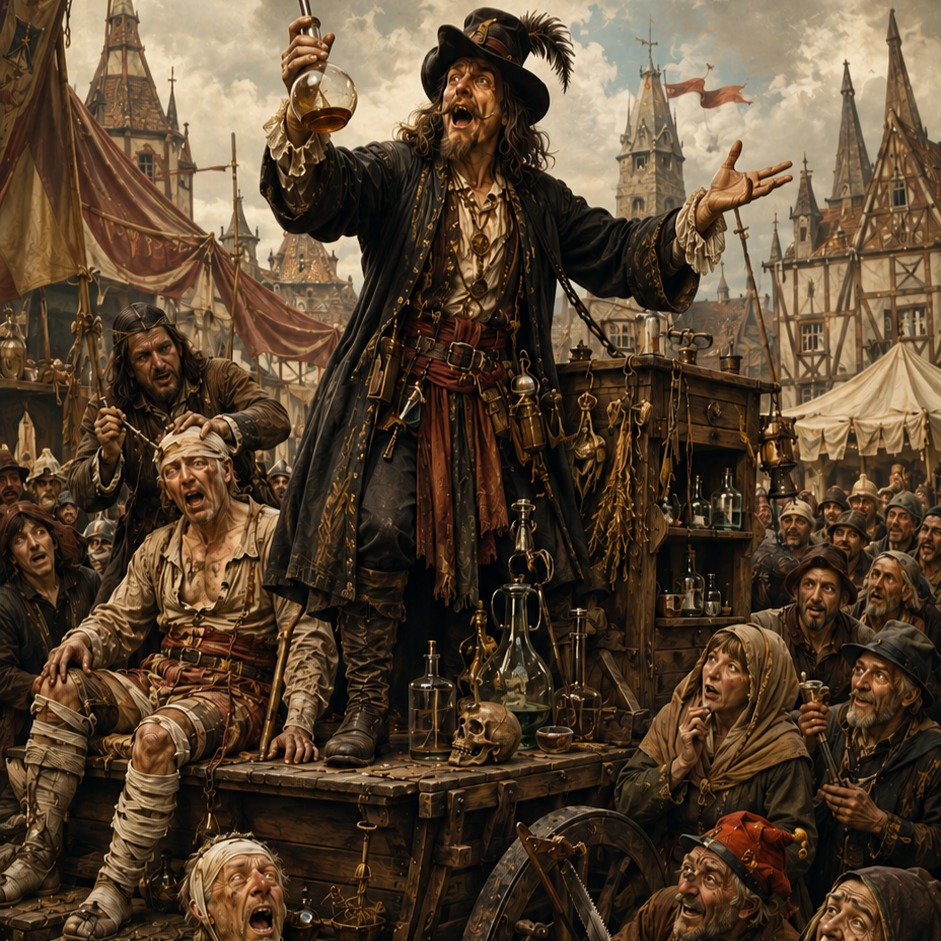
Traditional German folk song in the style of the 17th–18th century, reimagined as a folk metal / medieval metal fusion, A cheerful, satirical and slightly grotesque tone with a strong narrative character, Male choral singing with clear diction, accompanied by accordion, violin, double bass, and light percussion, Moderate to lively tempo (around 100–120 BPM), with a marching, rhythmic feel, Catchy and repetitive melody designed for sing-along, Historical atmosphere reminiscent of a fairground or an old tavern, The lyrics tell the humorous and exaggerated story of the traveling miracle doctor Eisenbart, with an ironic undertone and traditional refrain structure
3:39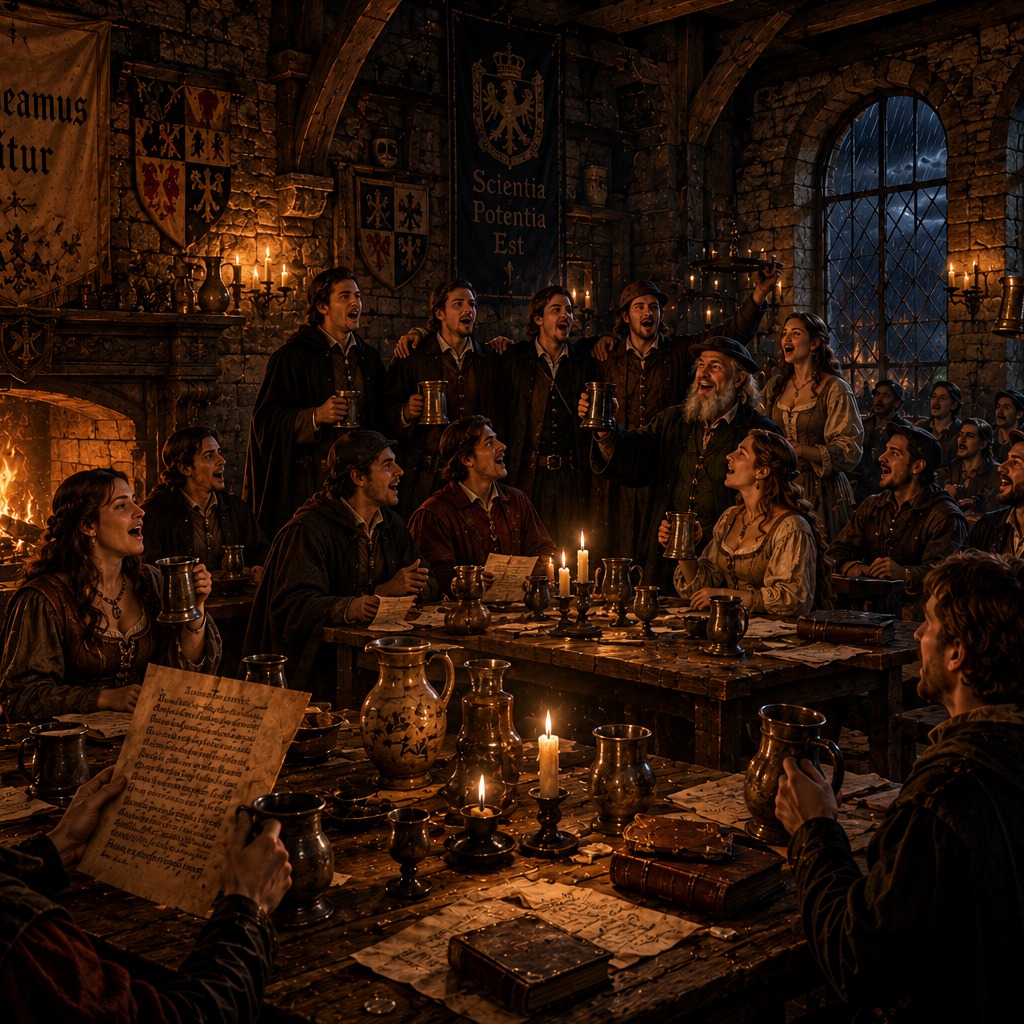
GAVDEAMVS IGITVR
v5.5
Festive multi-voiced choral setting of the Latin student hymn “Gaudeamus Igitur”, blending noble academic celebration with warm medieval tavern atmosphere, Rich polyphonic singing with deep male voices, lively tenor harmonies and bright communal refrains, sounding like a mixture of university ceremony, drinking song and old European tavern gathering, The performance should feel joyful, human and immersive, with groups of singers answering each other across a crowded candlelit hall, Include subtle ambient sounds of a medieval tavern: quiet laughter, wooden tables, distant mugs, soft crowd murmurs and the resonance of a large stone room, while the singing remains central and powerful, The mood alternates between solemn reverence, cheerful camaraderie and triumphant communal celebration, Gregorian and Renaissance-inspired vocal harmonies combined with energetic folk-like choral passages, Authentic Latin pronunciation, strong rhythmic pulse, emotional and festive atmosphere, ‑Musical instruments, ‑percussion, ‑drums
4:22
John Barleycorn
v5.5
traditional Scottish folk ballad inspired by medieval tavern music with subtle Folk Metal elements, The sound should feel like a live performance in a crowded, smoky inn with a communal, rowdy atmosphere, Use acoustic folk instruments: fingerpicked guitar, fiddle, viola, cello, double bass, wooden flute/whistle, recorder, tin whistle, uilleann pipes or small pipes, bodhrán, frame drum, tambourine, hammered dulcimer, harp, hurdy-gurdy, and subtle drone textures, Add strong tavern elements: clinking tankards, foot stomps, table percussion, and occasional shouted responses, Vocals should be raw with strong Scottish accent and bard-like, supported by rich polyphonic choral singing in choruses and climactic sections, creating a communal singalong feel, The mood starts solemn and narrative, then grows steadily from planting to destruction to rebirth, becoming more energetic and celebratory
5:57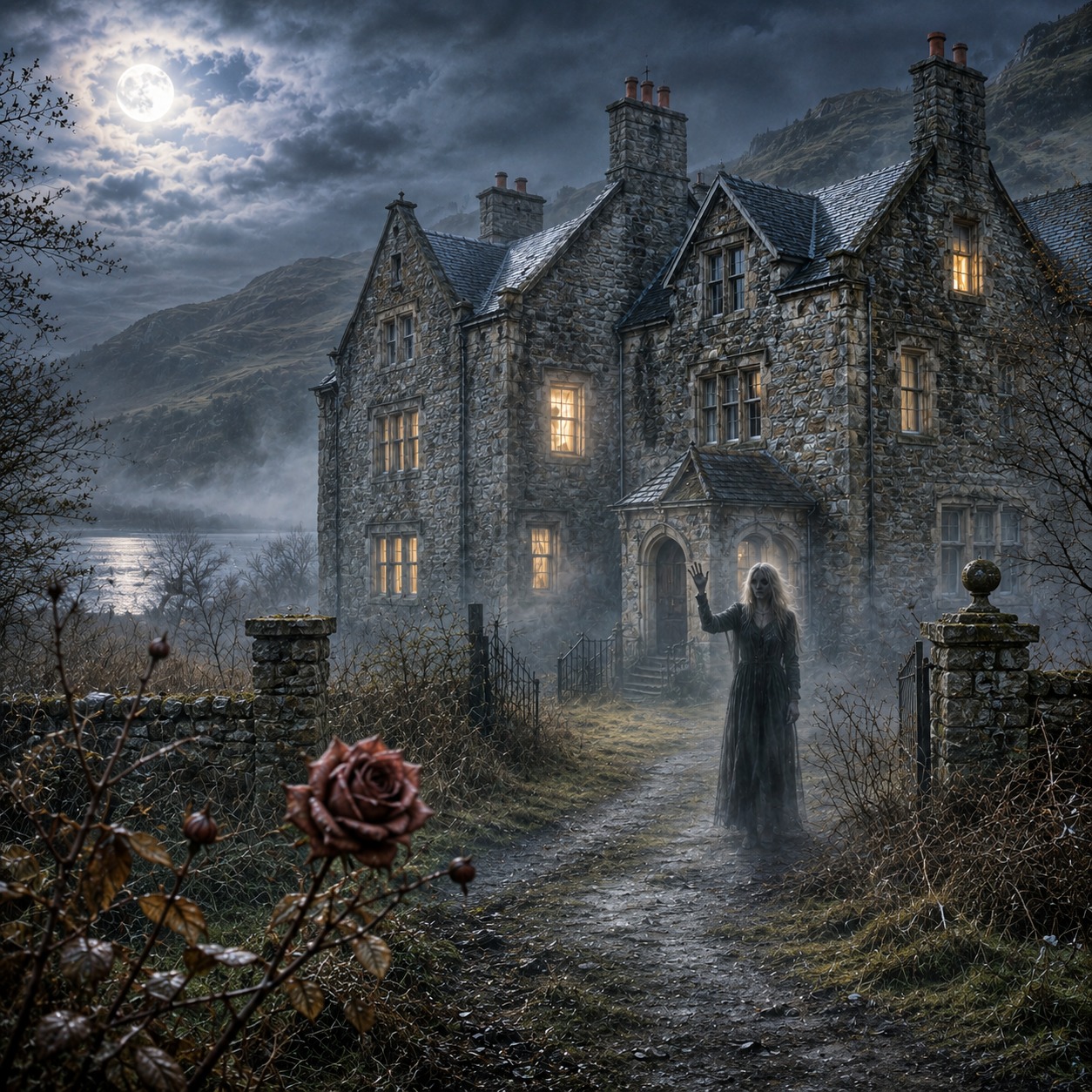
Scottish folk horror ballad, dark pub storytelling, slow and haunting, eerie bagpipes, fiddle, acoustic guitar, cinematic folk atmosphere, suspenseful ghost story mood, intimate Highland tavern ambience, deep male singer with strong Scottish accent, expressive storytelling vocals, mysterious and unsettling, traditional Scottish folk meets dark soundtrack
7:12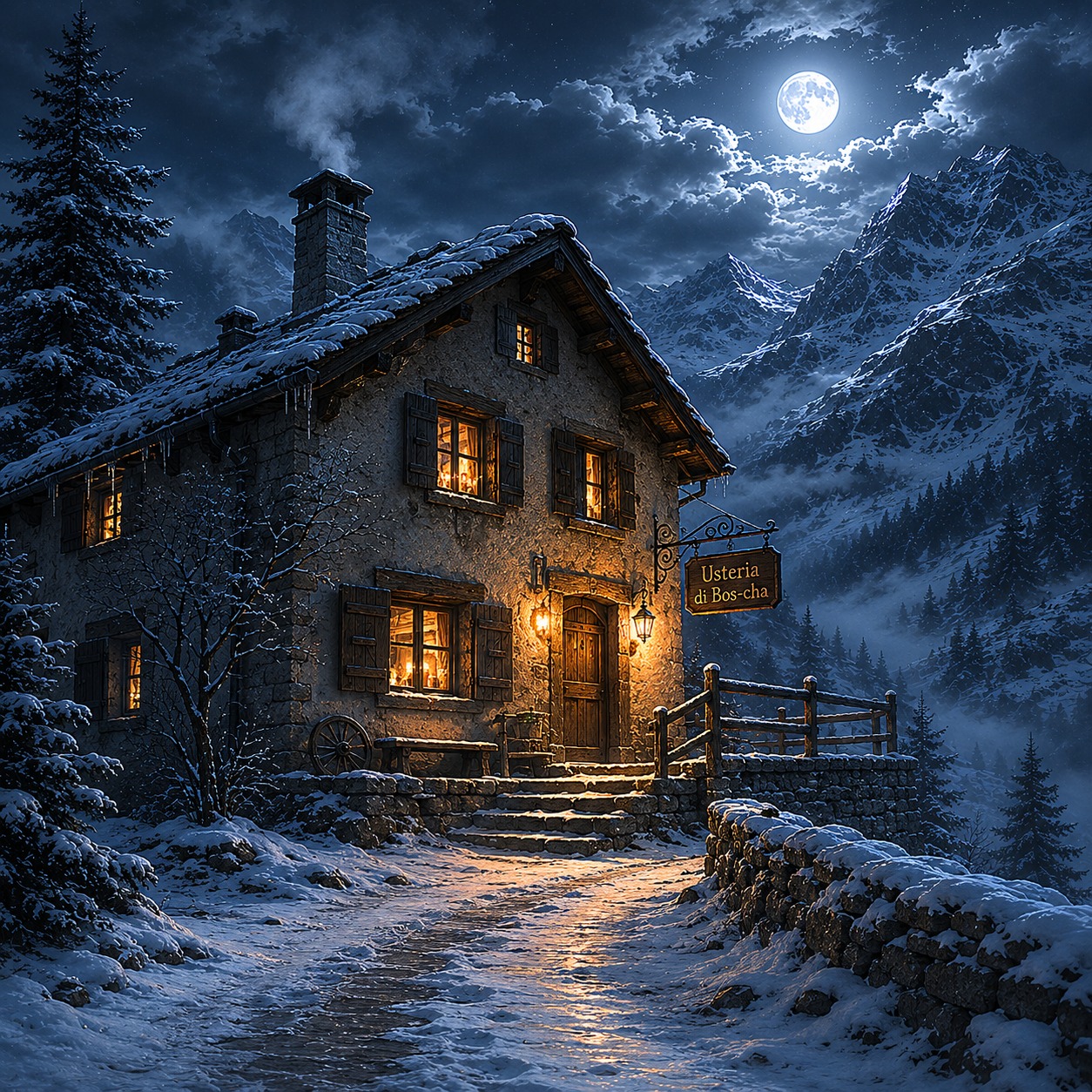
dark alpine folk ballad inspired by traditional Graubünden and Engadine music Use a slow to moderate 6/8 rhythm with a cold, haunting storytelling atmosphere, Instrumentation should feature acoustic guitar, accordion or Schwyzerörgeli, upright bass, and dominant hammered dulcimer (Hackbrett) melodies and textures throughout the song, Add low drones sparingly for weight and tension, Keep the arrangement organic, rustic, cinematic, and deeply rooted in Swiss alpine folk traditions, Build gradually: sparse verses, darker pre-choruses, fuller choruses, then reduce instrumentation for the tragic climax, Use spacious reverbs, distant winds, and cold mountain ambience, The outro should feel ghostly and lonely with lingering dulcimer tones, evoking an ancient Engadine legend whispered through mountain valleys at night, slow heavy doom-inspired guitars
4:58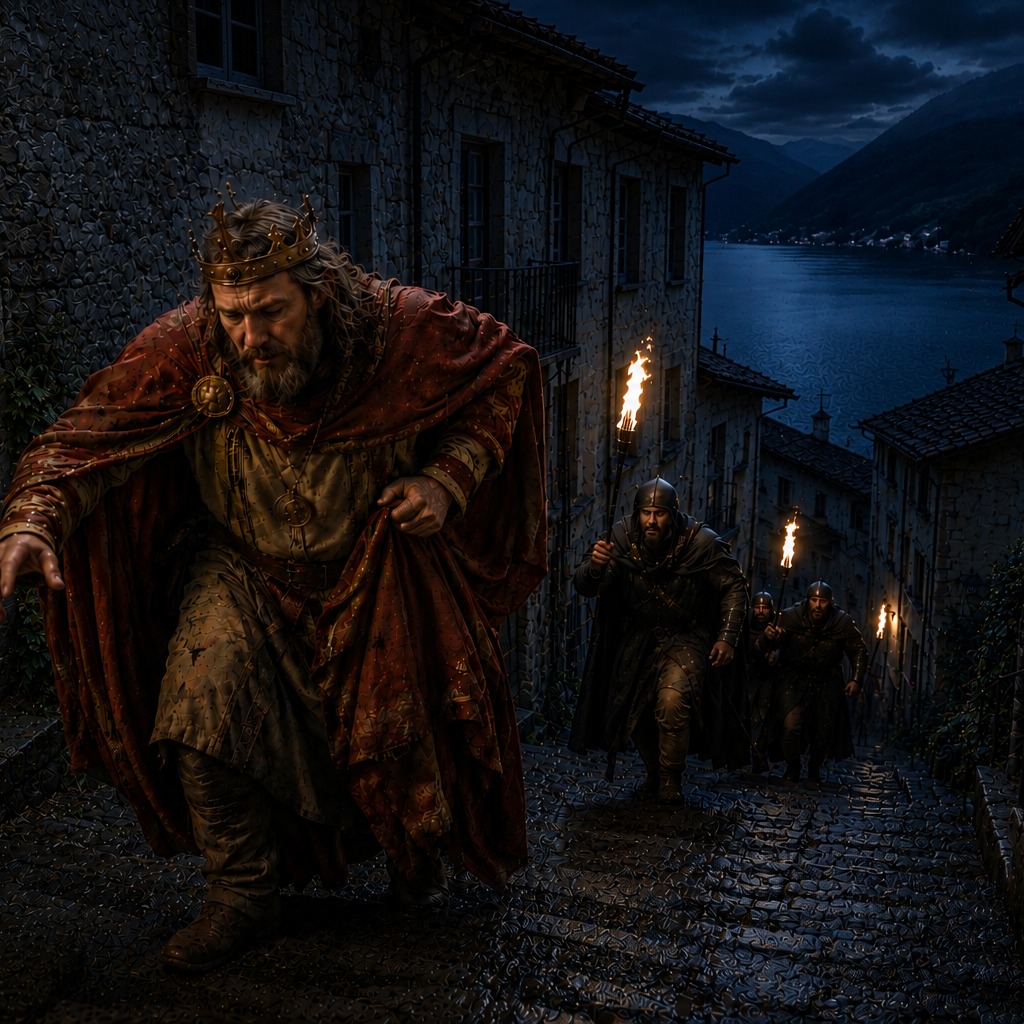
Traditional Northern Italian narrative ballad in the style of an old Lombard folk song from the Lake Como region, Warm, acoustic and storytelling-driven, as if passed down through generations in taverns and villages, Create a subtle tavern atmosphere with quiet background voices, soft room ambience, wooden resonance and the feeling of people listening around a fire, Calm 6/8 rhythm at 75–85 BPM with a flowing feel, Use acoustic guitar, subtle mandolin, light accordion, tamburello percussion and occasional flute melodies, Melancholic, nostalgic and atmospheric, but never dark or heroic, Verses restrained and narrative, choruses fuller and communal, Natural, slightly rough folk vocals, more storyteller than opera singer, Add gentle polyphonic harmonies in choruses with 2–4 rustic voices singing softly together, Keep harmonies intimate, imperfect and avoid polished choir sounds, Avoid modern pop, epic soundtrack and fantasy medieval styles
4:17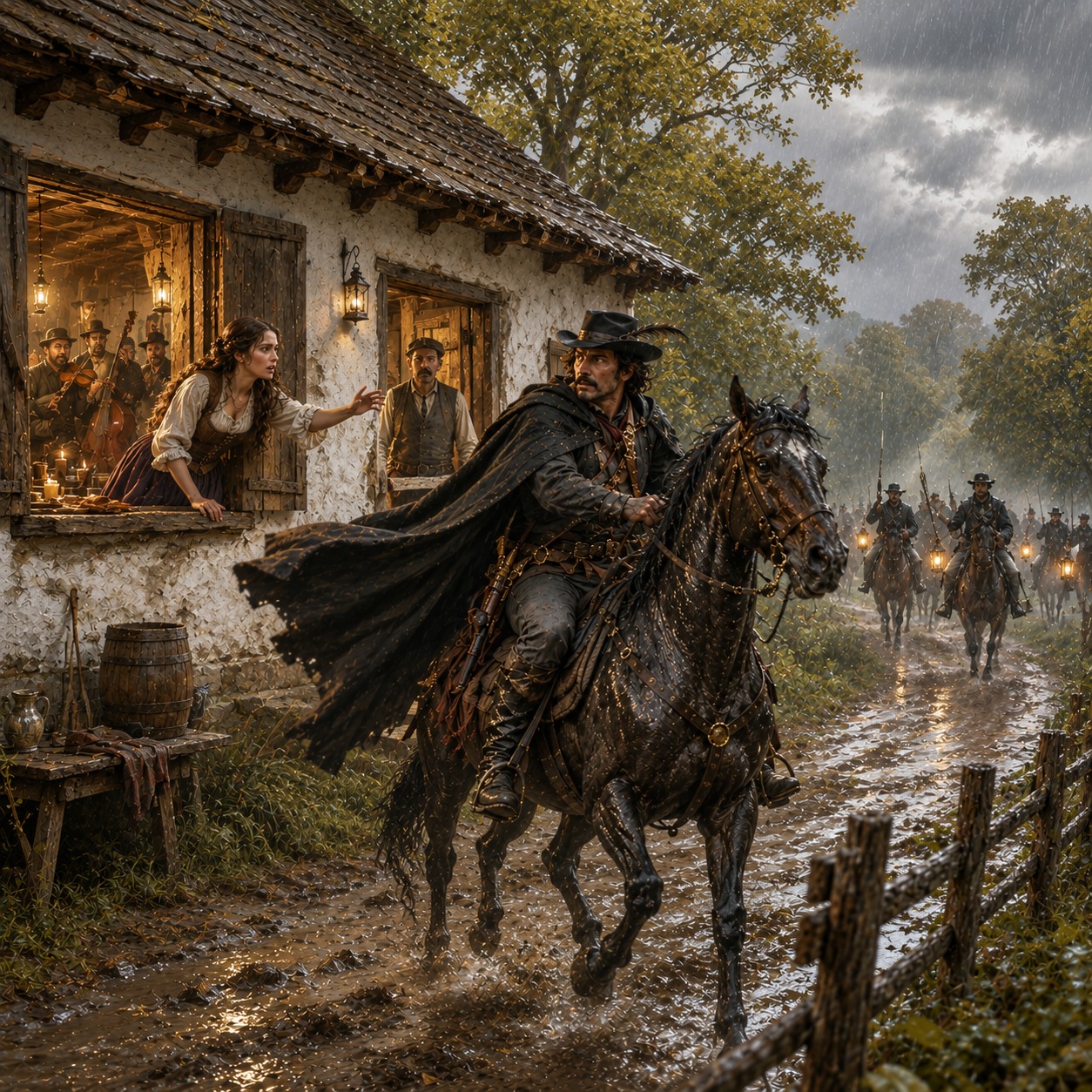
traditional Hungarian folk ballad inspired by the Betyárnóta tradition and the Rózsa Sándor outlaw cycle, arranged as a raw tavern performance in 19th-century rural Hungary with subtle folk metal and symphonic metal elements, Use traditional Eastern European instruments: cimbalom as rhythmic-harmonic core, expressive fiddle with heavy ornamentation, viola, cello, double bass, tárogató or wooden reed instrument, folk flute, hurdy-gurdy drones, and frame drum percussion, reinforced subtly by low folk metal electric guitar riffs and restrained cinematic bass, Add tavern ambience like foot stomps, table hits, and low crowd murmurs, Vocals should be gritty, narrative, and emotionally direct in authentic Hungarian folk style, with ornamented phrasing and strong male choir responses in refrains, The mood begins melancholic and atmospheric, then builds into rhythmic tension during pursuit and escape, becoming faster and more intense, with a climactic chase through forests and plains
4:47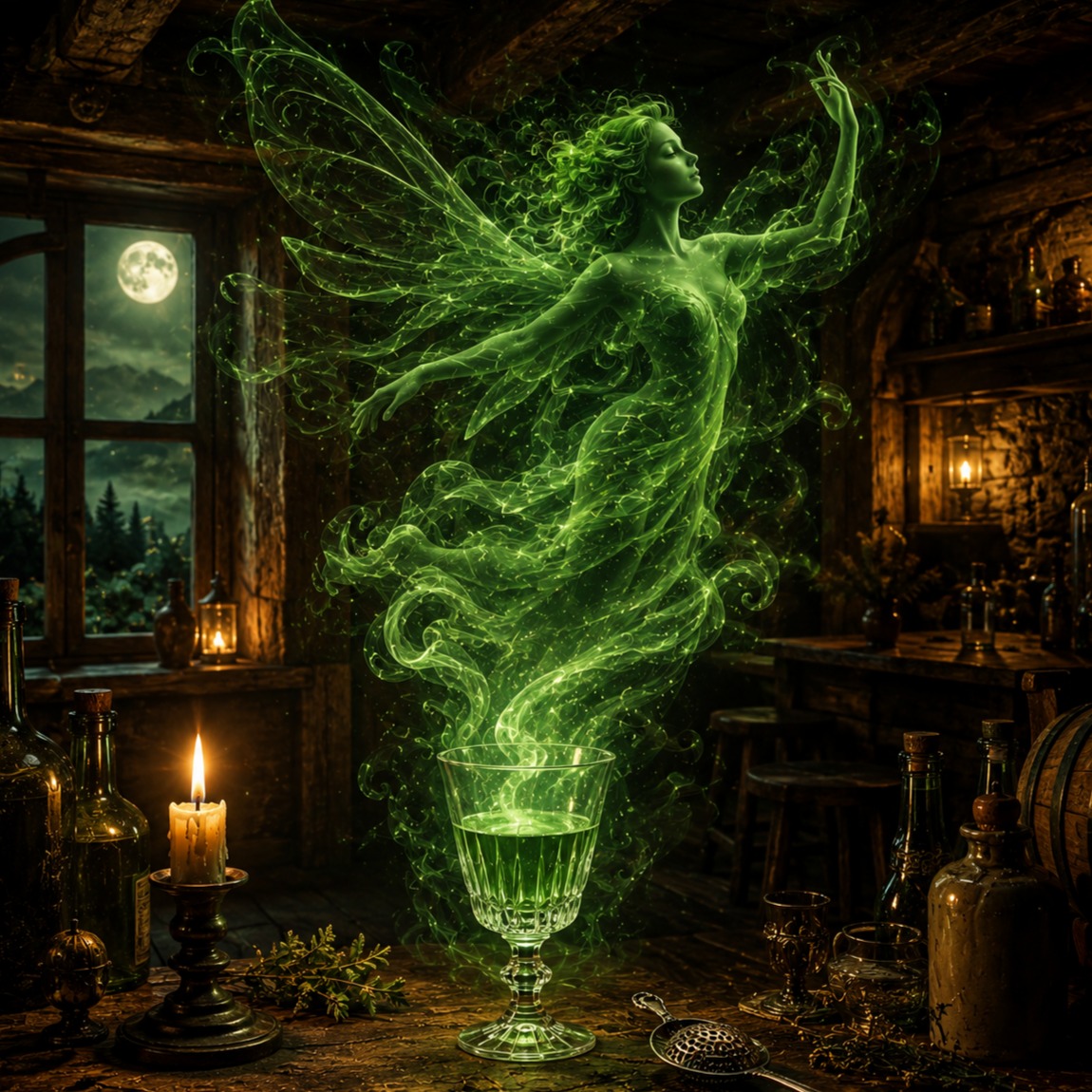
6:52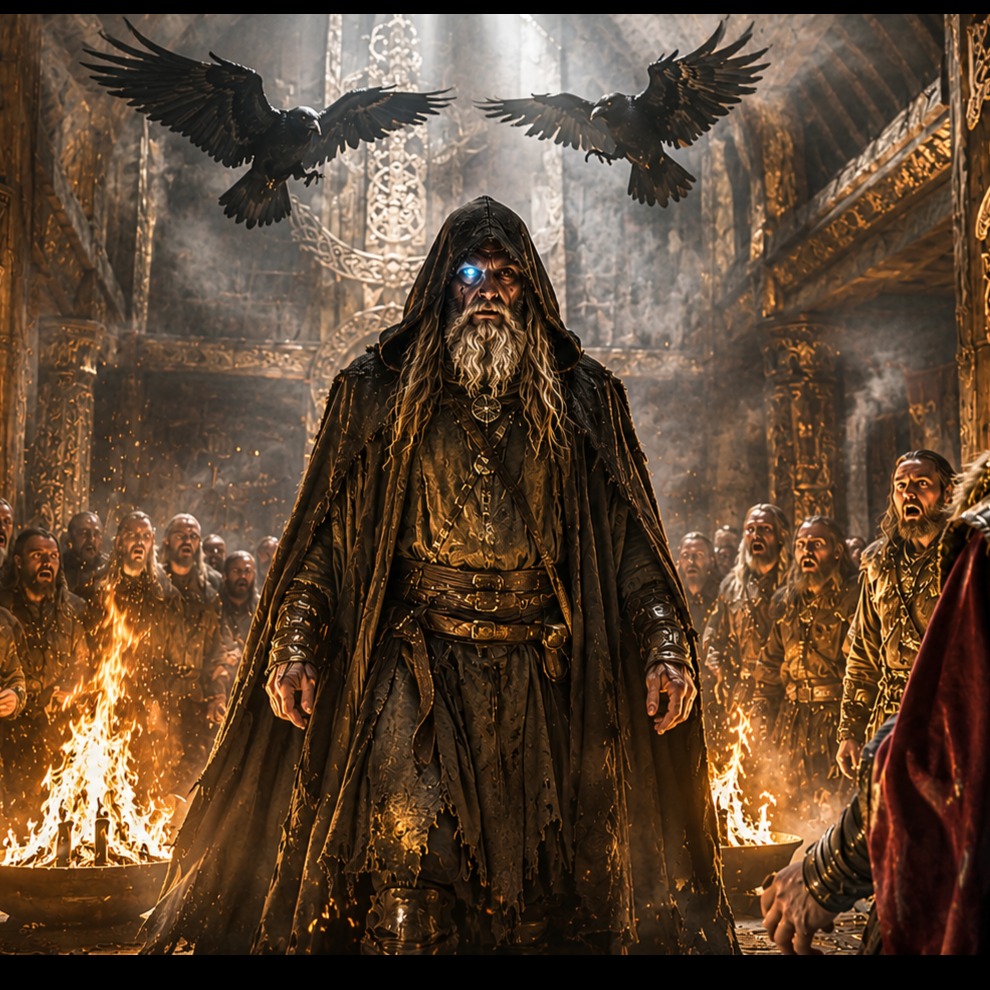
Grímnir
v5.5
epic Viking drinking song in the style of a grand Nordic hall ballad, powerful and majestic, polychorus, with deep war drums, thunderous percussion, tagelharpa, lyre, bone flute and resonant battle horns, Low male lead vocals deliver the tale with the authority of an ancient singer, while a large male chorus erupts in triumphant chants that echo through a vast firelit mead hall, Moderate tempo around 90 BPM with a relentless marching pulse, stomping feet and communal energy, Subtle folk metal elements enrich the sound: restrained distorted guitars, deep bass and occasional powerful drum accents woven beneath the traditional Nordic instruments, adding weight and grandeur without overpowering the folk character, The music begins with mystery and foreboding and culminates in a powerful, heroic finale after Geirröth’s fall and Agnar’s ascent, Authentic Nordic folk with cinematic scale, ancient, rugged and legendary