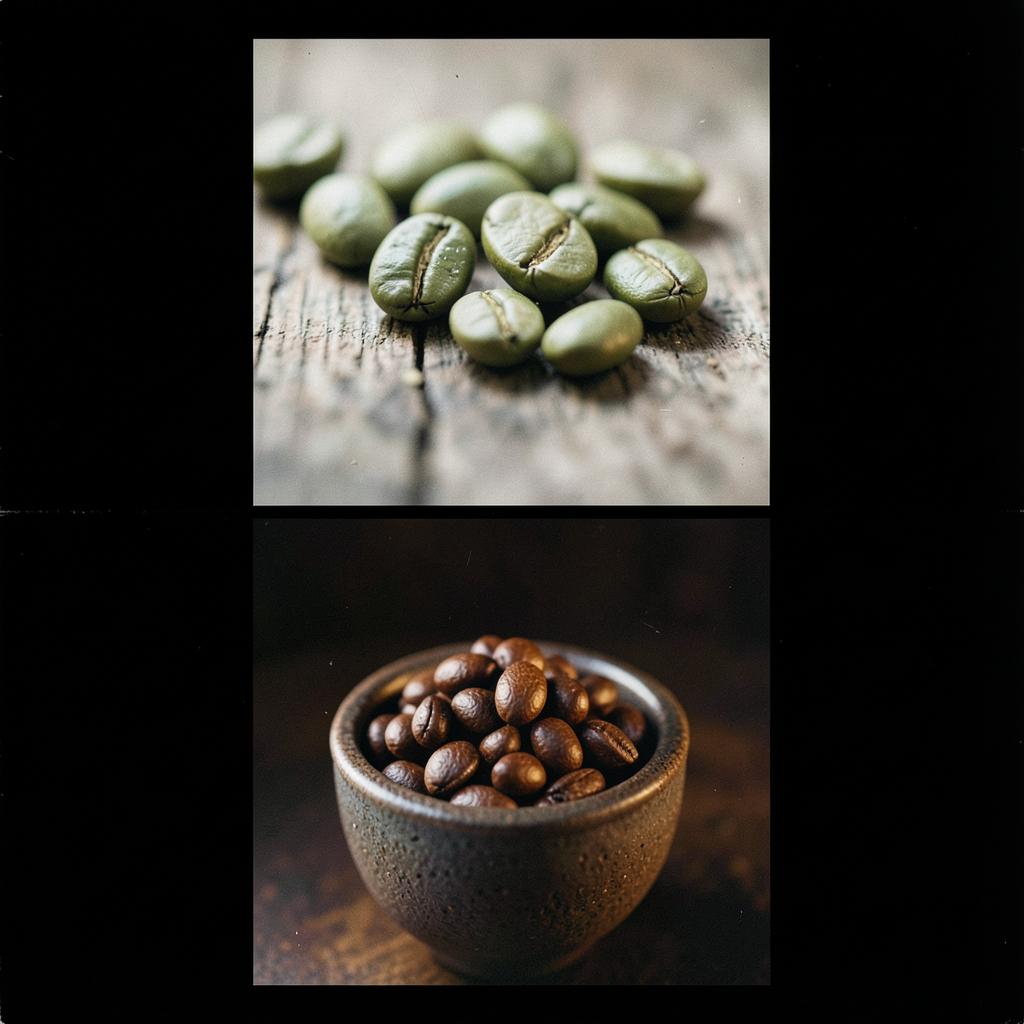
EPISODE 09 — ROASTING REVEALS POTENTIAL

ROASTING REVEALS POTENTIAL Green coffee neither smells nor tastes like the beverage we recognize. Roasting transforms it through heat. As the seed loses moisture, it changes colour, expands, becomes more porous, and develops an extraordinary range of aromatic and flavour compounds. But roasting is not simply about choosing light, medium, or dark. Every coffee responds differently according to its species, cultivated variety, density, moisture condition, processing method, bean-size distribution, age, and intended use. A lighter roast may preserve greater perception of characteristics associated with the coffee’s origin and processing. A darker roast may emphasize roast-derived aromas, bitterness, and body. But roast degree alone does not tell us whether a coffee has been roasted well. A successful roast depends on intention, control, consistency—and ultimately, how the coffee performs in the cup. When I began roasting, I learned that control does not mean forcing every coffee into the same expression. A roaster must learn to listen: through data, aroma, colour, physical changes, and finally, sensory evaluation. The objective is not to impose flavour upon the coffee, but to understand its potential and develop it responsibly. Roasting at origin may also help producing countries retain more technical skills, employment, branding, and commercial value. But this opportunity must be supported by consistent quality, suitable packaging, shelf-life management, reliable logistics, and a clear understanding of the target market. Roasting reveals potential—but it also reveals the limits of our knowledge. Every roast answers some questions and creates new ones. The more I roast, the more I know I don’t know.
